Introduction to the Culture and Tradition of Gorada
This page shares the culture and tradition of Gorada in a simple way so that
villagers, students and visitors can understand village life. Customs here grow from faith,
farming and family ties. People celebrate festivals together, respect elders and follow
age-old rituals, while slowly accepting new ideas and modern facilities.
Festivals & Religious Life
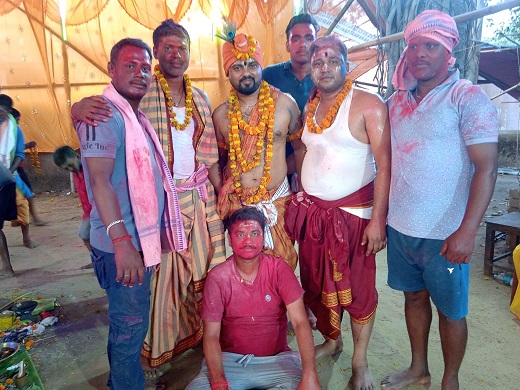
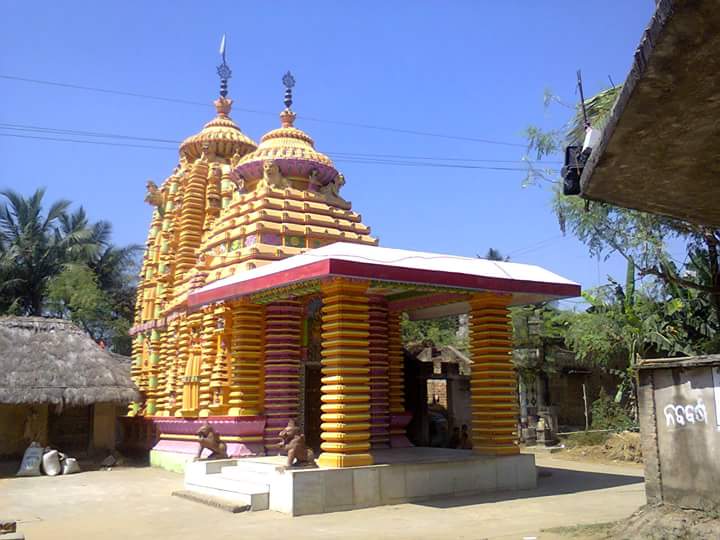
Major occasions like Gajalaxmi Puja, Durga Puja, Raja and Makar Sankranti bring the whole
village together. Temples stay busy with daily worship, special bhajans and evening aartis.
People light lamps, offer prasad and pray for peace, health and good crops.
Traditional Dress & Daily Habits
Women usually wear saree or salwar kameez, while men prefer dhoti, lungi or simple shirts
and pants. During functions they choose brighter colours and silk clothes. Respectful
greetings, touching elders’ feet and sharing home-cooked food remain common habits.
Food, Music & Folk Art
Kitchens prepare rice, dal, seasonal vegetables and special sweets during festivals.
Folk songs, dhol and traditional dance add energy to marriage processions, jatras and
village events. Local artists decorate pandals, stages and homes with simple but creative work.
Community Bond & Values
Villagers stand together in joy and in difficulty. Neighbours help during illness, funerals
and crop loss. Children learn to respect elders, protect the environment and take part in
community activities, so that these values continue to the next generation.
Heritage for the Next Generation
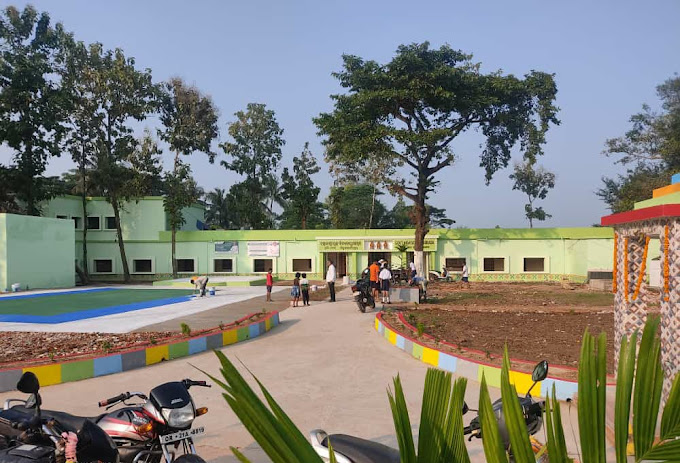
As education, jobs and technology grow, lifestyle in Gorada slowly changes. Even so, families
try to keep important customs alive through stories, songs and regular temple visits. When
young people understand their roots, they can proudly carry Gorada’s culture into the future.
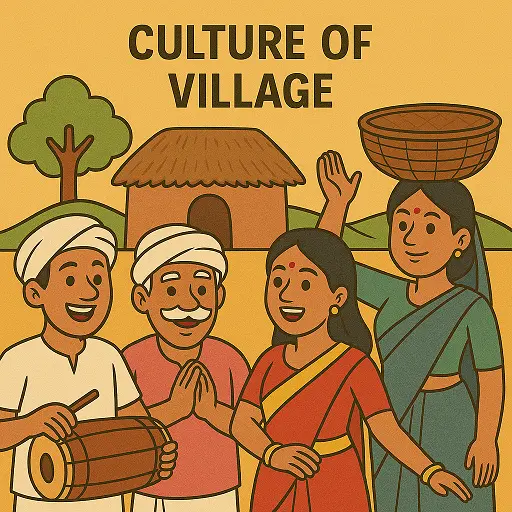
Culture and tradition of Gorada shown through village festivals, temple rituals, music and daily life.